Pumpkin Duck Embroidery Design Review
As a designer who has spent years navigating the fine line between whimsical creativity and commercial viability, I approach every new machine embroidery design with a critical eye. The market is flooded with generic patterns, but occasionally, a concept arrives that strikes the perfect balance of charm and utility. Today, I am evaluating the Pumpkin Duck Embroidery Design. At first glance, it appears to be a simple seasonal motif, but upon closer inspection of its potential application in real-world projects, it reveals itself as a versatile asset for the savvy crafter and small business owner.
The Visual Personality and First Impression
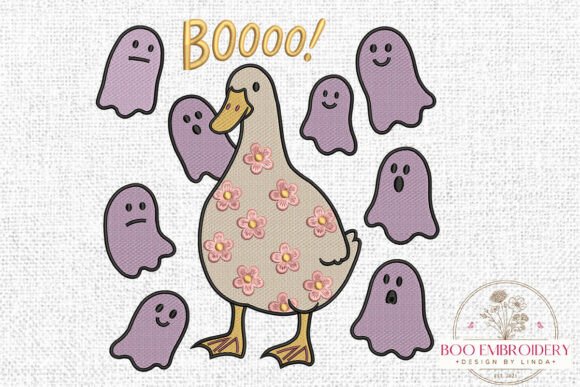
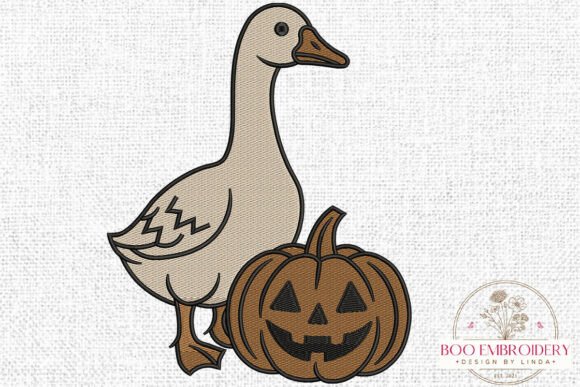
When I load this embroidery file into my digitizing software, the immediate impression is one of playful nostalgia. The concept merges two distinct autumnal icons: the classic harvest pumpkin and the waddling duck. This juxtaposition creates a unique visual narrative that feels less like a standard holiday decoration and more like a character-driven illustration. For those of us creating handmade products, having a design with personality is crucial. It transforms a basic item into a conversation starter.
The layout suggests a moderate level of detail. It is not so intricate that it will fail on textured fabrics, nor is it so sparse that it lacks definition. The shapes are rounded and friendly, which typically translates well into fill stitch areas without excessive pulling or puckering. As an Etsy seller or boutique owner, you know that the "cute factor" drives impulse buys, especially during the fall season. This design taps directly into that desire for quirky, personalized items that stand out from the sea of black cats and witches' hats.
Testing the Waters: A Real-World Scenario
To truly understand the value of the Pumpkin Duck Embroidery Design, let's walk through a specific project scenario. Imagine you are preparing a collection of custom canvas tote bags for an upcoming craft fair. You want something that appeals to parents looking for back-to-school gear or adults seeking a fun accessory for grocery shopping. I visualize stitching this design onto a sturdy, natural-colored cotton tote bag using warm orange and deep green thread colors.
In this context, the design shines. The rounded edges of the duck and the pumpkin allow for smooth transitions in the satin stitch outlines, ensuring the image remains crisp even when viewed from a distance. If I were to use this on a sweatshirt embroidery project, perhaps on the chest of a crewneck fleece, the softness of the fabric would complement the organic feel of the duck. The design does not look stiff or industrial; it looks handcrafted and thoughtful. Customers browsing your shop would likely perceive this as a high-quality, personalized gift option, increasing the perceived value of the finished product.
Navigating Fabric Challenges and Placement
However, no design is a magic bullet for every situation. As a professional, I must advise caution regarding where and how you apply the Pumpkin Duck Embroidery Design. While it works beautifully on stable fabrics like denim, canvas, and towels, you need to be strategic with stretchy materials. If you attempt to embroider this on a thin jersey t-shirt without the proper stabilizer, the density of the fill stitches could cause the fabric to pucker around the pumpkin shape, ruining the aesthetic.
Similarly, consider the limitations of smaller hoop sizes. If your machine only accommodates a 4x4 inch hoop, you may find that the design requires scaling down. When scaled too small, the details of the duck's beak or the pumpkin stem might get lost, resulting in muddy stitch density. Always test the design on scrap fabric first to ensure the details remain legible at your intended size. Additionally, while the design is charming, it may not be suitable for very dark fabrics if the color palette relies heavily on lighter shades without sufficient underlay. In such cases, a white backing or a different thread selection strategy is essential to maintain visibility and contrast.
Commercial Viability and Brand Consistency
For creative entrepreneurs running a craft business, consistency is key to building a brand. The Pumpkin Duck Embroidery Design offers a cohesive theme that can be extended across various product lines. You could create matching embroidered patches for backpacks, baby embroidery for onesies, or even kitchen towels for home decor. This versatility allows you to maximize a single digital embroidery file across multiple inventory categories, optimizing your production time.
Furthermore, the design fits perfectly within the Halloween and autumn niche without being overly spooky. This makes it accessible to a wider audience, including those who prefer festive but family-friendly decor. When creating printable mockups for your online store, this design provides a strong visual anchor. It signals to the buyer that your shop offers unique, curated designs rather than mass-produced generics. This distinction builds customer trust and encourages repeat purchases.
Practical Designer Notes for Success
- Test Before Production: Never skip the test run on a similar fabric to your final project. Check for thread breaks, tension issues, and registration accuracy.
- Stabilizer is Non-Negotiable: Use a cut-away stabilizer for knits and a tear-away for wovens to ensure the design lays flat and retains its shape after washing.
- Color Contrast Matters: Ensure the thread colors you choose pop against the background fabric. A muted orange on a brown shirt will disappear; a bright tangerine will shine.
- Licensing Check: Before selling any finished product featuring this design, confirm the licensing terms. Some commercial embroidery licenses restrict the number of items you can sell or require attribution.
- Mockup Variations: Create mockups showing the design on both light and dark backgrounds to help customers visualize the final result.
Final Verdict on Project Suitability
The Pumpkin Duck Embroidery Design is a delightful addition to any design assets library for the fall season. It succeeds because it balances simplicity with character, making it forgiving for hobbyists yet distinctive enough for professional decorators. Whether you are making a custom apparel piece for a client, stocking shelves for your small shop product line, or crafting a heartfelt holiday gift, this design delivers on its promise of adding a fun and quirky accent.
Just remember, the quality of the final outcome depends as much on your technique and material choices as it does on the digital file itself. By respecting the nuances of fabric texture, hoop placement, and thread management, you can turn this cute concept into a profitable and beautiful reality. For those looking to inject some seasonal joy into their work without sacrificing professionalism, this is a design worth exploring.