Stitched Heart with Inner Heart Embroidery Design Review
As a designer who has spent years curating assets for both personal craft projects and commercial small business lines, I approach every new machine embroidery design with a specific set of questions. Does it translate well from screen to fabric? Will the stitch density hold up on different materials? And most importantly, does it have that intangible quality that makes a customer stop scrolling and say, "I want that"? When I first opened the file for the Stitched Heart with Inner Heart Embroidery Design, I was immediately drawn to its layered composition. It is not just a flat shape; it tells a story through texture and depth.
First Impressions: Texture and Visual Personality
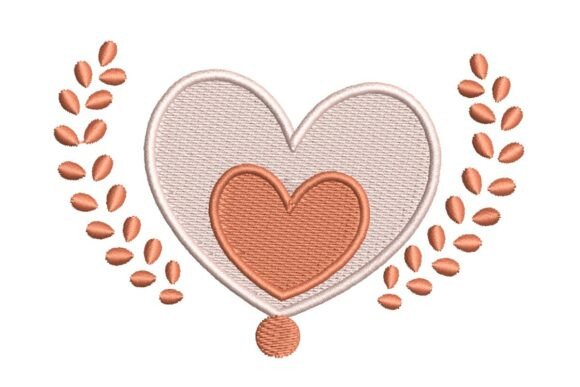
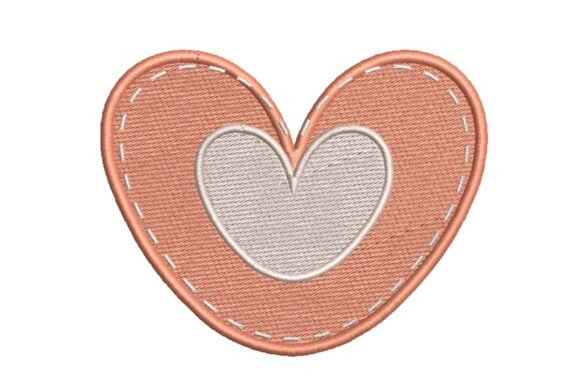
The defining characteristic of this piece is the stylized outer heart rendered in a textured reddish-orange or peach color. In the digital preview, the contrast between the distinct stitched outline and the nested inner heart creates a sense of dimension that is often lost in simpler vector conversions. For a Valentine S Day collection or any project requiring a touch of warmth, this color palette is naturally inviting. The design feels handmade even before a single thread is pulled, which is exactly what we look for when sourcing assets for boutique branding or Etsy listings.
However, as a reviewer, my eyes immediately went to the interaction between the fill stitch and the running stitch details. The "stitched" aesthetic implies a mix of techniques. If the embroidery file relies heavily on satin stitch for the outline, the tension needs to be perfect to avoid bird nesting, especially where the curves meet. The inner heart acts as a focal point, drawing the eye inward. This layout is smart because it allows the design to remain legible even at smaller scales, provided the hoop size is appropriate. It avoids the trap of being too busy while still offering enough detail to feel premium.
Real-World Application: From Tote Bags to Apparel
To truly understand the value of the Stitched Heart with Inner Heart Embroidery Design, I visualized it in a real-world scenario. Imagine preparing a custom embroidered tote bag for a local craft fair. The canvas of a tote provides a sturdy, neutral background that would make the reddish-orange tones pop beautifully. The textured nature of the design would complement the weave of the cotton canvas, creating a cohesive handmade product that feels substantial.
I also considered how this would perform on custom apparel, specifically a heavyweight sweatshirt. The softness of fleece can sometimes swallow intricate details, but the bold outline of this heart suggests it would maintain clarity. Placing it on the left chest of a crewneck sweatshirt would create a classic, understated look suitable for a small shop product line. Alternatively, scaling it up for the back of a hoodie could serve as a statement piece for holiday gifts. The versatility here is key; it works equally well as a subtle accent on an apron or a central feature on a pillow cover.
For those focusing on baby embroidery, the soft peach tones are gentle and gender-neutral, making it a safe bet for nursery decor or personalized onesies. The rounded edges of the heart ensure there are no sharp points that might irritate sensitive skin, a crucial consideration for infant wear. Whether you are an Etsy seller looking to expand your Valentine's catalog or a hobbyist creating a personalized gift, the design adapts well to various contexts without losing its charm.
Navigating Fabric Challenges and Technical Nuances
While the design is robust, experienced decorators know that context is everything. There are specific scenarios where the Stitched Heart with Inner Heart Embroidery Design requires careful handling. On stretchy fabrics like jersey knit, the tension of the fill stitch could cause puckering if the correct stabilizer is not used. A cut-away stabilizer is likely necessary here to support the weight of the thread and prevent distortion during washing.
Dark fabrics present another challenge. The description notes the reddish-orange hue, which may appear muddy on black or navy backgrounds without a backing underlay. Before committing to a run on dark garments, I always recommend testing the design on scrap fabric to check thread colors and opacity. You may need to add a layer of white underlay stitches to make the peach tones vibrant. Similarly, on highly textured fabrics like denim or corduroy, the fine details of the inner heart might get lost in the fabric weave. In these cases, simplifying the placement or choosing a smoother section of the garment is advisable.
Another area of caution involves curved surfaces, such as caps. The geometry of a hat panel can distort circular or heart-shaped designs if the digitization isn't optimized for 3D curvature. While the stitch density appears manageable, mapping the design onto a cap requires checking how the stitches lay against the seam lines. For embroidered patch production, this design is excellent, as the backing of the patch will provide the stability needed to keep the shapes crisp.
Professional Judgment: Value and Commercial Viability
From a business perspective, using high-quality assets like the Stitched Heart with Inner Heart Embroidery Design directly impacts customer trust and perceived value. A finished product with clean, dense stitching signals professionalism. Conversely, a design that pulls threads or looks pixelated after stitching can damage a brand's reputation. This particular design strikes a balance between artistic flair and technical execution, making it a strong candidate for commercial embroidery projects.
When evaluating design assets for resale, it is vital to confirm licensing terms. Ensure you have the right to sell finished items or digital products containing this motif. For digital product sellers creating printable mockups, the clean lines of this heart make it easy to render realistically in software, helping potential buyers visualize the final result. The visual appeal translates well into marketing materials, driving buyer engagement on platforms where aesthetics drive sales.
Practical Designer Notes for Success
If you decide to incorporate this design into your workflow, follow these practical steps to ensure the best outcome:
- Test on Scrap Fabric: Never skip the test run. Stitch the design on a fabric similar to your final project to check for puckering and thread breaks.
- Check Thread Contrast: Verify that the reddish-orange stands out against your chosen background. Adjust thread shades if the design appears dull.
- Review Stitch Density: Inspect the inner heart area closely. If the density is too high, it may require trimming or re-digitizing to prevent stiffness.
- Confirm Hoop Size: Measure your hoop carefully. Ensure the design fits comfortably within the working area without hitting the frame.
- Use Proper Stabilizer: Match the stabilizer to the fabric weight. Heavyweight items need heavy support to maintain the integrity of the fill stitch.
- Inspect Small Details: After stitching, examine the corners and the junction between the inner and outer hearts. Trim any loose threads immediately.
- Mockup in Black and White: Test the design in grayscale to ensure the contrast holds up even without color, which is useful for monochrome branding.
- Verify Licensing: Double-check the license agreement before selling any finished product or listing the embroidery file digitally.
In conclusion, the Stitched Heart with Inner Heart Embroidery Design offers a charming and versatile option for designers looking to add warmth to their portfolios. Its thoughtful composition and textural elements make it suitable for a wide range of applications, from intimate personalized gifts to scalable craft business merchandise. By approaching the project with technical awareness and attention to detail, you can transform this digital asset into a tangible piece of art that resonates with customers and elevates your brand.