Color Heart Embroidery Designs: A Maker's Review
As I set up my table for the upcoming weekend craft fair, I am surrounded by stacks of tote bags, aprons, and fabric pouches waiting to be transformed. The difference between a booth that gets ignored and one that draws a crowd often comes down to the visual impact of the machine embroidery design chosen. Today, I am putting the Color Heart Embroidery Designs collection under the microscope. This isn't just about downloading an embroidery file; it is about evaluating whether this specific aesthetic will translate into sales for a handmade business owner or an Etsy seller.
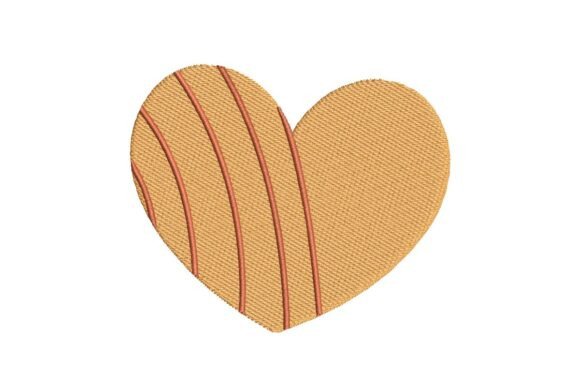
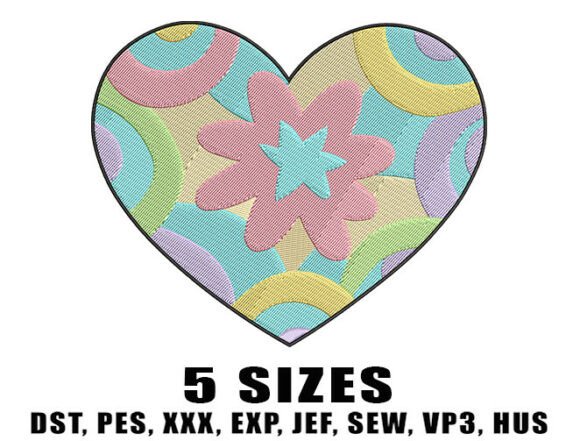
The description promises a "Retro Heart Burst" filled with groovy patterns, ideal for statement pieces and teen fashion. My first impression? It is bold, vibrant, and undeniably eye-catching. In a sea of neutral farmhouse styles and delicate florals, this design screams personality. For a maker targeting the Boho demographic who appreciates a pop of color and nostalgia, this could be the perfect anchor for a collection. However, as any experienced designer knows, what looks good on a screen must perform well in thread.
First Impressions: Boldness Meets Retro Vibes
When I pull up the preview of the Color Heart Embroidery Designs, the energy is immediate. The groovy patterns inside the heart suggest a busy, textured look rather than a flat, minimal fill. This makes it less suitable for subtle accents but perfect for a focal point. If you are selling craft fair products, you need items that stop people mid-walk. A plain white tote bag becomes a conversation starter when adorned with this colorful burst. It feels modern yet nostalgic, tapping into the current trend of retro aesthetics without feeling dated.
For boutique makers, the challenge is ensuring the colors remain true to the digital vision. The term "colorful" implies multiple thread changes. In a production run, too many thread trims can slow down your machine and increase waste. However, if managed correctly, the variety of thread colors adds significant perceived value to the finished product. Customers often associate intricate, multi-colored work with higher quality and craftsmanship.
Product Performance: Where Does It Shine?
Let's talk about application. I have laid out several potential canvases to see where the Color Heart Embroidery Designs fits best. On a canvas tote bag design, the 5.8-inch size (Size 3) strikes a perfect balance. It is large enough to show off the internal groovy patterns but small enough to leave room for handles and structural integrity. The texture of the canvas holds the stitches well, preventing the dense areas from sinking into the weave.
For kitchen linens, specifically apron embroidery or tea towel embroidery, the design offers a fun contrast. Imagine a crisp linen tea towel featuring this vibrant heart; it instantly elevates a utilitarian item into a giftable piece. The retro vibe aligns perfectly with the current interest in vintage-inspired home goods. However, I would be cautious with very thin towels. The density required to create the "burst" effect might cause puckering on lightweight cotton unless heavy stabilizer is used.
Embroidered patch applications are another strong contender. Since patches are often sold as standalone accessories or added to denim jackets and hats, the bold outline of the heart works exceptionally well here. The design assets within the heart provide enough detail to make a 4.8-inch patch look substantial. For caps, the curved surface presents a challenge. While the 3.8-inch size (Size 1) fits the front panel, the complex inner details might get distorted on the curve. I recommend testing this on a sample cap before committing to a batch.
Production Realities: Density and Detail
As a professional reviewing this for commercial use, I must address the practicalities of the stitch density. The description mentions "groovy patterns," which usually implies intricate fills. High-density areas can lead to stiff spots in the fabric. When producing small shop product lines like fabric pouches or pillow covers, stiffness can ruin the drape and feel of the item. I always advise running a test on scrap fabric first. Check if the back of the embroidery is clean or if there is excessive thread buildup.
The five available sizes range from 3.8 inches to 6.8 inches. This scalability is excellent for a versatile inventory. You can offer a mini version for keychains or hair ties and a large version for pillow covers. However, do not assume every size retains clarity. At the smallest size, the tiny details inside the heart may blur together, losing the "groovy" definition. Always inspect the smallest hoop size output closely. If the details vanish, stick to the larger sizes for products requiring high visual fidelity.
Fabric texture plays a crucial role here. On thick fabrics like denim or fleece, the design pops beautifully. On highly textured surfaces like terry cloth towels, the needle may struggle to penetrate consistently through the loops, potentially skipping stitches in the dense pattern areas. Using the right stabilizer is non-negotiable. A cut-away stabilizer is likely necessary for the larger sizes to support the weight of the thread over time.
Selling Strategy: From Booth to Digital Store
How does this design affect your bottom line? Visual appeal drives engagement. At a craft fair, the Color Heart Embroidery Designs acts as a beacon. Its brightness contrasts sharply against natural wood tables and neutral backdrops. To maximize this, create a tiered display. Place the largest embroidered pillow covers at eye level and stack smaller items like pouches and patches below them. This creates a "wall of color" that draws customers in.
For online sellers, photography is key. The vibrant nature of the design photographs well, especially in natural light. Use these images to create compelling printable mockup options for your listings. Show the design on different backgrounds—denim, white linen, black cotton—to demonstrate versatility. This helps the customer visualize the product in their own life, increasing conversion rates.
Brand consistency is also a factor. If your brand is typically soft pastels, this bold retro heart might feel jarring. However, if you position it as a limited edition "Summer Retro Collection," it becomes a strategic addition that refreshes your catalog. For digital sellers offering the digital embroidery file, ensure your listing clearly states the number of thread colors and the recommended fabric types so buyers know exactly what they are getting.
Designer Notes for Success
Before you start your production run, follow these critical steps:
- Test Stitch Out: Never skip the test run on the exact fabric you plan to sell. Check for puckering and tension issues.
- Check Thread Contrast: Ensure the thread colors stand out against the background fabric. A dark heart on a dark shirt will lose its impact.
- Review Spacing: Leave adequate space around the design to avoid cutting into the edge during trimming or sewing.
- Confirm Licensing: As with all commercial embroidery projects, verify your license terms. Ensure you are allowed to sell finished goods made from this file.
- Create Mockups: Have at least one real physical sample for your photoshoot. Digital renders rarely capture the texture of the thread accurately.
The Color Heart Embroidery Designs offers a fantastic opportunity for makers to inject energy into their product lines. With careful attention to fabric choice, stabilizer usage, and size selection, this retro gem can become a best-seller at your next market. Whether you are crafting a single gift or building a wholesale line, the key lies in balancing the bold visual appeal with technical precision. By treating the design as a serious component of your brand strategy, you turn simple thread into a valuable asset that speaks directly to your customer's desire for unique, handmade style.